We Use CookiesWe use cookies to enhance the security, performance, functionality and for analytical and promotional activities. By continuing to browse this site you are agreeing to our privacy policy

10 Best Entry-Level Photography Cameras 2026 in the United States
How do we rank products for you?

Our technology thoroughly searches through the online shopping world, reviewing hundreds of sites. We then process and analyze this information, updating in real-time to bring you the latest top-rated products. This way, you always get the best and most current options available.

headphones-stars

Our Top Picks

#1

Winner

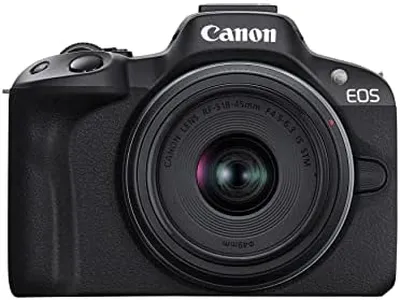
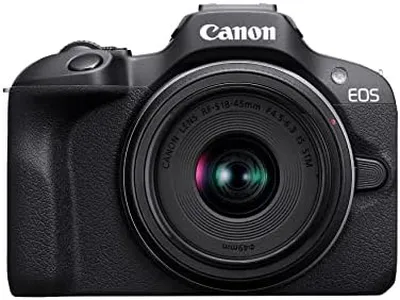
Canon EOS R50 Mirrorless Camera RF-S18-45mm F4.5-6.3 is STM Lens Kit, 24.2 Megapixel CMOS (APS-C) Sensor, 4K Video, Hybrid Camera, Photo and Video, Vlogging, Content Creator, RF Mount, Black

Rating
10.0
Chosen by1,486
Megapixels
Autofocus System
Lens Compatibility

Most important from
1463 reviews

Megapixels
Perfect for content creators, offering stunning image quality and vibrant 4K video with its powerful 24.2 MP sensor and DIGIC X image processor.
Autofocus System
AI-driven autofocus is essential for close-up photography, automatically blurring the background and focusing on subjects.
Lens Compatibility
The kit lens, despite initial skepticism, delivers surprisingly high-quality close-up photos.
Video Capabilities
Perfect for content creators, offering stunning image quality and vibrant 4K video with its powerful 24.2 MP sensor and DIGIC X image processor.
Connectivity
Colors are vibrant and transferring pictures to your phone via Bluetooth is seamless.
Build Quality and Ergonomics
Compact and lightweight design makes it a game-changer for content creators, keeping things simple and portable.

The Canon EOS R50 Mirrorless Camera is a solid entry-level photography camera, offering a 24.2 Megapixel APS-C CMOS sensor that ensures high-quality image capture. This sensor size is quite standard for entry-level cameras and provides good image clarity and detail. The ISO range goes up to 51200, which can be quite useful in low-light conditions, although higher ISO settings might introduce some noise. The camera features an advanced Dual Pixel CMOS AF II autofocus system that covers almost the entire frame with 651 autofocus points, making it effective for tracking subjects in both photography and videography. This is beneficial for capturing fast-moving subjects or for vlogging.

The included RF-S18-45mm F4.5-6.3 IS STM lens is versatile enough for various shooting scenarios but may not be ideal for very low light conditions due to its maximum aperture of f/4.5-6.3. In terms of video capabilities, the camera supports 4K video recording at up to 30 fps, which is great for content creators and vloggers. It also supports Full-HD recording at up to 120 fps for smooth slow-motion video. Connectivity options include built-in Bluetooth and Wi-Fi, allowing for easy file transfer and remote control via the Canon Camera Connect app.

The build quality of the camera is robust and it features a 2.36-million-dot electronic viewfinder and a vari-angle touchscreen, which enhances usability and shooting flexibility. However, the camera might feel a bit complex for absolute beginners due to its multitude of features and settings. Additionally, while it supports wireless connections, some users might find the setup process a bit tedious. Despite these minor drawbacks, the Canon EOS R50 is a highly capable camera for entry-level photographers looking to explore both photography and videography.

Rating
10.0
Chosen by1,486
Megapixels
Autofocus System
Lens Compatibility

Most important from
1463 reviews

Megapixels
Perfect for content creators, offering stunning image quality and vibrant 4K video with its powerful 24.2 MP sensor and DIGIC X image processor.
Autofocus System
AI-driven autofocus is essential for close-up photography, automatically blurring the background and focusing on subjects.
Lens Compatibility
The kit lens, despite initial skepticism, delivers surprisingly high-quality close-up photos.
Video Capabilities
Perfect for content creators, offering stunning image quality and vibrant 4K video with its powerful 24.2 MP sensor and DIGIC X image processor.
Connectivity
Colors are vibrant and transferring pictures to your phone via Bluetooth is seamless.
Build Quality and Ergonomics
Compact and lightweight design makes it a game-changer for content creators, keeping things simple and portable.
#2

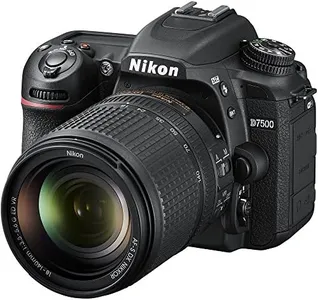
Nikon D7500 20.9MP DSLR Camera with AF-S DX NIKKOR 18-140mm f/3.5-5.6G ED VR Lens, Black

Rating
9.7
ISO Range
Autofocus System
Lens Compatibility

Most important from
675 reviews

ISO Range
This camera is a nice upgrade from the Nikon D5500, with better autofocus, clearer low light shots, and a more robust feel.
Autofocus System
Fast autofocus and the ability to switch to manual on the lens itself significantly lowers the risk of missing photo opportunities.
Lens Compatibility
The 18-140 lens is truly excellent, allowing easy zooming in and out in all situations.
Build Quality and Ergonomics
The sturdy body adds weight, but it isn't necessarily a bad thing.

The Nikon D7500 is a strong contender in the entry-level photography camera category. It boasts a 20.9MP CMOS sensor, which, although not the highest megapixel count, provides excellent image quality and detail. The ISO range is robust, extending up to 51,200, making it versatile for various lighting conditions, whether you're shooting in bright daylight or low-light environments. The autofocus system is quite advanced with 51 points, including 15 cross-type sensors, ensuring sharp and accurate focus for your photos. Additionally, the included 18-140mm lens offers a versatile zoom range suitable for a variety of shooting scenarios from wide-angle landscapes to tighter portrait shots.

Video capabilities are impressive, with 4K Ultra HD and Full HD recording options available, giving you flexibility in capturing high-quality videos. The tilting 3.2-inch LCD touchscreen is convenient for shooting at different angles and makes navigation through settings easy. In terms of connectivity, the D7500 features both Bluetooth and Wi-Fi, allowing for seamless sharing of images and remote control of the camera. However, there are a few drawbacks. The camera has only one memory card slot, which might be limiting for intensive shooting sessions. Additionally, while the build quality is solid and ergonomic, the weight of 1.66 pounds may feel a bit hefty for some users, especially for extended periods of use. Lastly, the continuous shooting speed of 8 fps is decent but might fall short for those looking to capture fast-moving subjects frequently.

This makes the Nikon D7500 best suited for beginners and enthusiasts looking for a reliable, versatile camera that balances high quality still images and video capabilities.

Rating
9.7
ISO Range
Autofocus System
Lens Compatibility

Most important from
675 reviews

ISO Range
This camera is a nice upgrade from the Nikon D5500, with better autofocus, clearer low light shots, and a more robust feel.
Autofocus System
Fast autofocus and the ability to switch to manual on the lens itself significantly lowers the risk of missing photo opportunities.
Lens Compatibility
The 18-140 lens is truly excellent, allowing easy zooming in and out in all situations.
Build Quality and Ergonomics
The sturdy body adds weight, but it isn't necessarily a bad thing.
#3

Canon EOS R50 Mirrorless Camera RF-S18-45mm F4.5-6.3 is STM Lens Kit, 24.2 Megapixel CMOS (APS-C) Sensor, 4K Video, Hybrid Camera, Photo and Video, Vlogging, Content Creator, RF Mount, White

Rating
9.1
Build Quality and Ergonomics
Video Capabilities
Lens Compatibility

Most important from
1463 reviews

Build Quality and Ergonomics
The controls are straightforward and intuitive, making it easy to start taking great photos immediately without feeling overwhelmed.
Video Capabilities
The camera excels in video recording, providing top-tier quality that meets the needs of content creators.
Lens Compatibility
Lens options like the Canon RF16mm F2.8 STM and RF35mm F1.8 pair exceptionally well, enhancing versatility and image sharpness.
Sensor Size
Despite some motion blur in fast shots, the overall image detail is outstanding, capturing fine details like individual hairs with clarity.

The Canon EOS R50 with the RF-S18-45mm lens kit is a solid choice for anyone starting in photography or video creation, especially vloggers and content creators. It comes with a 24.2-megapixel APS-C sensor that delivers clear, detailed images and performs well even in low-light conditions thanks to its wide ISO range up to 51200. The autofocus system is impressive for this class, covering nearly the entire frame with 651 focus points and using smart subject tracking to keep people, animals, or vehicles sharp—making it easier to capture moving subjects without fuss.

Video capabilities are strong, offering uncropped 4K recording at 30 frames per second and slow-motion Full HD at 120 fps, which is great for creative video work. The camera's lightweight mirrorless design and a fully articulating touchscreen provide comfortable handling and flexibility in shooting angles, ideal for selfies and vlogging. Connectivity is modern with built-in Wi-Fi and Bluetooth, allowing quick image transfer and remote control from a smartphone.

On the downside, the kit lens has a modest aperture range (f/4.5-6.3), which means it might struggle a bit in very dark scenes without additional lighting. Also, while the camera is labeled professional level, beginners might find some advanced features a bit overwhelming initially. Battery life is decent but could require carrying a spare for longer shoots. The EOS R50 remains user-friendly and versatile, making it a smart investment for newcomers who want quality photos and videos without complicated setups.

Rating
9.1
Build Quality and Ergonomics
Video Capabilities
Lens Compatibility

Most important from
1463 reviews

Build Quality and Ergonomics
The controls are straightforward and intuitive, making it easy to start taking great photos immediately without feeling overwhelmed.
Video Capabilities
The camera excels in video recording, providing top-tier quality that meets the needs of content creators.
Lens Compatibility
Lens options like the Canon RF16mm F2.8 STM and RF35mm F1.8 pair exceptionally well, enhancing versatility and image sharpness.
Sensor Size
Despite some motion blur in fast shots, the overall image detail is outstanding, capturing fine details like individual hairs with clarity.

Buying Guide for the Best Entry-Level Photography Cameras

Choosing an entry-level photography camera can be an exciting yet daunting task. The right camera can help you capture beautiful moments and develop your photography skills. When selecting a camera, it's important to consider several key specifications that will impact your overall experience and the quality of your photos. Understanding these specs will help you make an informed decision and find the best fit for your needs.
Sensor SizeThe sensor size in a camera determines how much light it can capture, which directly affects image quality. Larger sensors generally produce better images, especially in low light conditions. Common sensor sizes include Full Frame, APS-C, and Micro Four Thirds. Full Frame sensors are the largest and offer the best image quality, but they are also more expensive and bulkier. APS-C sensors are smaller but still provide excellent quality and are more compact. Micro Four Thirds sensors are the smallest and most portable, making them ideal for travel. Choose a sensor size based on your priorities: image quality, portability, or a balance of both.
MegapixelsMegapixels refer to the resolution of the camera's sensor, indicating how many millions of pixels it can capture. Higher megapixels mean more detail in your photos, which is useful for large prints or cropping images. Entry-level cameras typically range from 16 to 24 megapixels. For most beginners, 16-20 megapixels are sufficient for everyday photography and sharing online. If you plan to print large photos or need extra detail, consider a camera with 20-24 megapixels.
ISO RangeISO range measures the camera's sensitivity to light. A wider ISO range allows you to shoot in various lighting conditions, from bright daylight to low light. Entry-level cameras usually offer an ISO range of 100-6400, which is adequate for most situations. If you often shoot in low light or want more flexibility, look for a camera with an extended ISO range, such as 100-12800 or higher. However, higher ISO settings can introduce noise (graininess) in your photos, so it's a balance between sensitivity and image quality.
Autofocus SystemThe autofocus system determines how quickly and accurately the camera can focus on a subject. Entry-level cameras typically have fewer autofocus points and may not be as fast as higher-end models, but they are still capable of capturing sharp images. Look for a camera with at least 9-11 autofocus points for better accuracy. If you plan to shoot fast-moving subjects, such as sports or wildlife, consider a camera with more advanced autofocus features like continuous tracking.
Lens CompatibilityLens compatibility is crucial because it determines the variety of lenses you can use with your camera. Entry-level cameras often come with a kit lens, which is versatile for general photography. However, as you progress, you may want to explore different lenses for specific types of photography, such as portraits, landscapes, or macro. Check if the camera brand offers a wide range of lenses and if third-party lenses are available. This flexibility will allow you to expand your gear as your skills grow.
Video CapabilitiesMany entry-level cameras also offer video recording features, which can be a bonus if you want to shoot videos alongside photos. Look for cameras that can record in at least Full HD (1080p) resolution. Some models offer 4K video, which provides higher resolution and more detail. Consider your video needs and whether you plan to use the camera for vlogging, filmmaking, or casual video recording. Additional features like microphone input and image stabilization can enhance your video quality.
ConnectivityConnectivity options like Wi-Fi, Bluetooth, and NFC allow you to easily transfer photos to your smartphone or computer for sharing and editing. These features can be very convenient, especially if you like to post your photos on social media. Some cameras also offer remote control via a smartphone app, which can be useful for group shots or long exposures. Consider how important these connectivity features are to you and choose a camera that offers the options you need.
Build Quality and ErgonomicsThe build quality and ergonomics of a camera affect how comfortable it is to use. Entry-level cameras are typically made of plastic to keep them lightweight and affordable, but they should still feel solid and well-built. Pay attention to the grip, button layout, and overall design to ensure it feels comfortable in your hands. A camera that is easy to handle will make your shooting experience more enjoyable and help you take better photos.

FAQ