10 Best Analog Synthesizers 2026 in the United States

Related Products
Recommended lists
Korg Synthesizers
Our technology thoroughly searches through the online shopping world, reviewing hundreds of sites. We then process and analyze this information, updating in real-time to bring you the latest top-rated products. This way, you always get the best and most current options available.

Our Top Picks
Winner
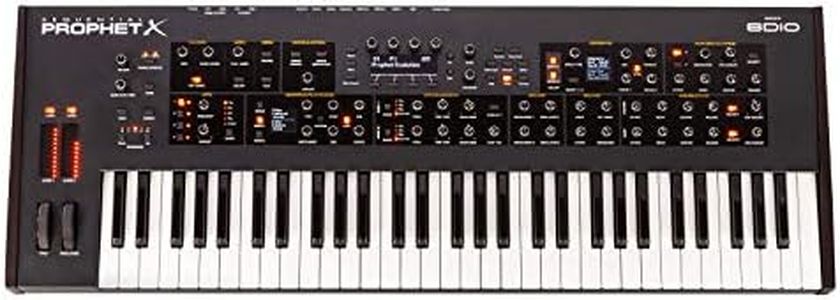
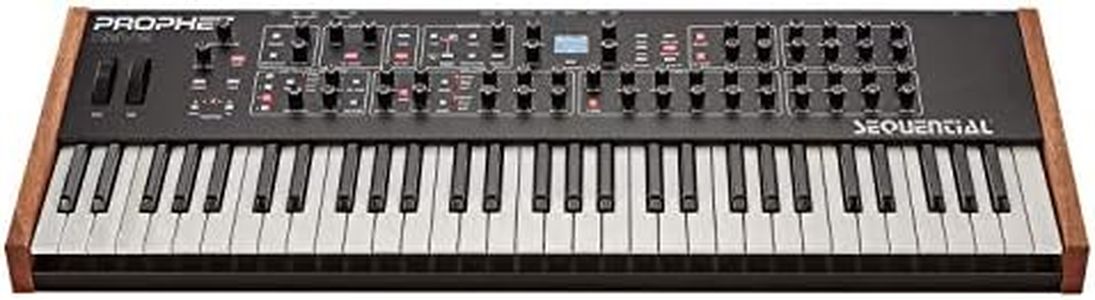
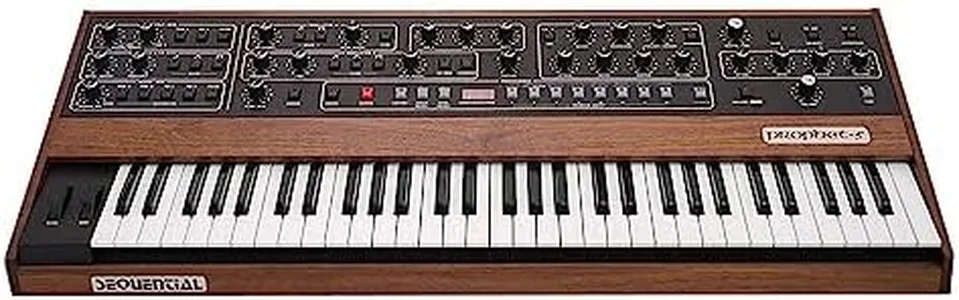
Sequential Prophet X 61-Key Synthesizer
The Sequential Prophet X stands out by blending analog and digital technology, offering 16-voice polyphony with two digital oscillators and stereo analog filters. Its strength lies in the hybrid design, which combines classic analog warmth with a massive 150GB sample library, allowing for a wide range of sounds beyond typical analog synths.
The semi-weighted keyboard with aftertouch adds expressive playability, making it appealing for musicians who want both feel and flexibility. At over 31 pounds and large dimensions, it’s quite hefty and might be less portable or suitable for small setups. The interface is designed to manage complex sounds but may require some time to learn, especially for beginners.
For those seeking a rich, versatile synthesizer with powerful sound-shaping tools and plenty of polyphony, the Prophet X is a strong choice. However, if you want a purely analog experience or a lightweight, simple synth, you might want to explore other options.
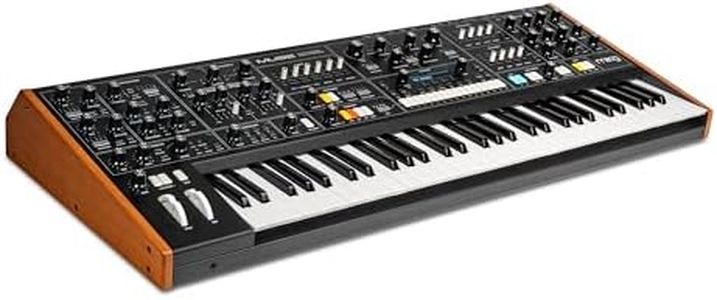
Moog Muse - 8-Voice Analog Bi-Timbral Polyphonic Synthesizer with 61 Keys, 64-Step Sequencer, 256 Patches and Diffusion Delay
The Moog Muse is a powerful analog synthesizer designed for musicians seeking rich, vintage-style sounds with modern performance features. It offers 8-voice polyphony, allowing you to play up to eight notes at once, which is great for lush chords and complex textures. Each voice includes two main oscillators plus a modulation oscillator, providing a wide range of tonal possibilities. The use of dual transistor ladder filters and discrete VCAs contributes to that classic Moog warmth and character.
One standout feature is its diffusion delay effect, which adds spacious echoes and atmospheric layers, enriching your sound without needing extra pedals or effects units. The 64-step sequencer and arpeggiator give you plenty of tools to create evolving patterns and sequences, making it suitable for both studio work and live performances.
Connectivity-wise, it includes MIDI, which means it can easily integrate with other gear or software setups. The user interface is thoughtfully designed with a knob-per-function layout, which makes sound shaping intuitive and immediate—important for those new to analog synths or anyone who prefers hands-on control.
On the downside, the Muse is fairly large and heavy (32 pounds, about 39 inches wide), so it may not be the best choice if portability is a priority. While it offers a deep feature set, the learning curve might be a bit steep for absolute beginners without prior experience in synthesis. Also, the number of user patches is somewhat limited compared to some digital synths.
In summary, the Moog Muse suits keyboard players, producers, and sound designers who want high-quality analog tones combined with flexible sequencing and effects. It’s a solid option for those looking to bring classic analog warmth into their setups with a modern twist.
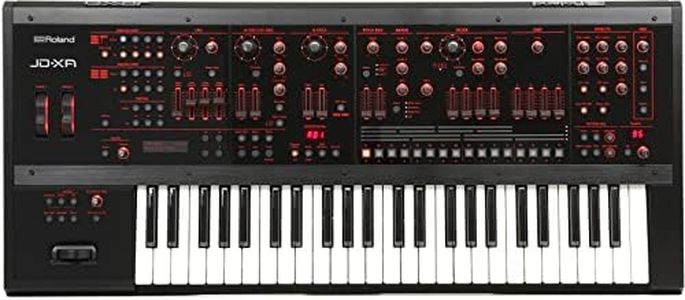
Roland JD-XA 49-Key Analog/Digital Crossover Synthesizer
Most important from
159 reviews
The Roland JD-XA is a powerful analog/digital crossover synthesizer that combines the best of both worlds, making it a great choice for musicians who want rich, complex sounds. Its analog section features four parts, each with two oscillators, flexible filters, multiple envelopes, and LFOs, allowing you to shape sounds in detailed and creative ways. The analog filters are especially smooth and natural, responding well to adjustments, which is excellent for classic warm tones.
The digital engine expands sonic possibilities even further, giving versatility beyond traditional analog sounds. The synth has 49 keys, which is a comfortable size for live playing, though it’s not fully weighted like a piano. Connectivity is basic but functional with standard 6.35mm jacks and an AC adapter. However, the synth lacks a color screen, which might make navigation less intuitive for beginners or when programming complex patches. Also, the unit is quite heavy and large, so it’s less portable than smaller synths.
This synth suits advanced users or those ready to dive deep into sound design, offering robust sound engines and hands-on control, but it could be overwhelming if you’re new to synthesis or need a lightweight setup.